EU Bans Vague 'Eco' and 'Energy Efficient' Claims From 27 September 2026
From 27 Sep 2026, EU law bans unproven claims like 'energy efficient', 'eco-friendly' and 'green', plus 'carbon neutral' claims based on offsets, on any product sold in the EU.
By CHA News Desk · Updated 11 September 2026
Researched and drafted with AI language-model assistance from cited public sources, per our AI-content disclosure.
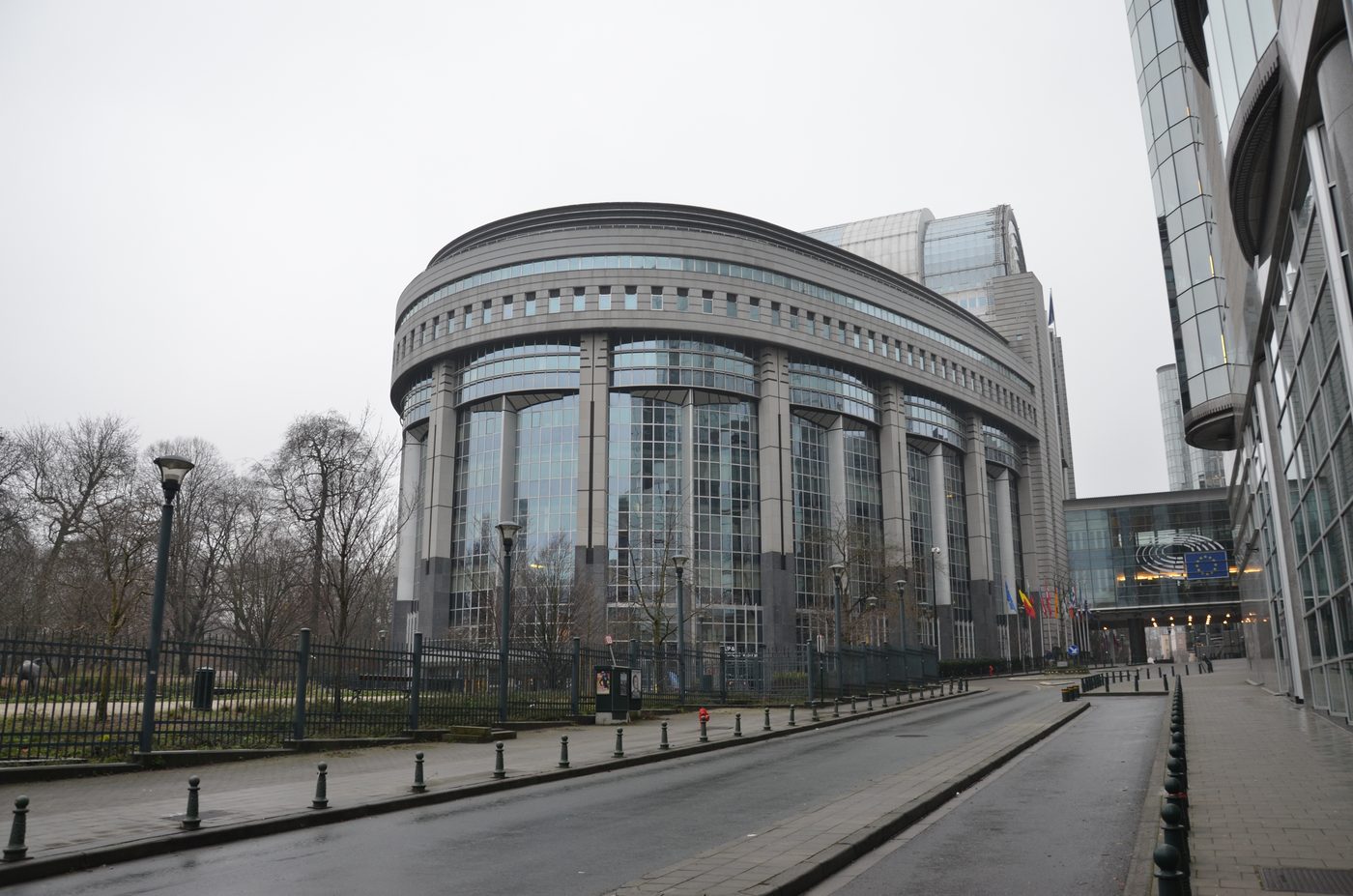
From 27 September 2026, it becomes illegal under EU law to market a product as “eco-friendly”, “green”, “sustainable” or “energy efficient” without being able to prove that specific claim. Directive (EU) 2024/825 on Empowering Consumers for the Green Transition, adopted by the European Parliament and Council on 28 February 2024, enters into application on that date across all member states, according to the directive’s own text and the European Commission’s consumer-protection pages.
The rule is aimed squarely at the kind of loose marketing language that shows up on appliance boxes and product pages every day. It will not touch the official EU A-G energy label itself, which is a separate, regulated rating, but it does target the words manufacturers and retailers put around it.
What claims does the law actually ban?
The directive amends the EU’s Unfair Commercial Practices Directive to add a new category of automatically-unfair practices. Its own text names the affected terms directly: a trader may not make a “generic environmental claim without recognised excellent environmental performance which is relevant to the claim.” The directive lists examples of what counts as a generic claim, including “environmentally friendly”, “eco-friendly”, “green”, “climate friendly”, “carbon friendly” and, explicitly, “energy efficient”.
The ban only bites when the claim is vague. If a seller states a specific, checkable fact instead, for example that a product carries the EU Ecolabel or sits in the top class of the EU Energy Label, that is a substantiated claim, not a banned generic one. The directive’s own recitals give a comparable example from another sector: calling packaging “climate-friendly” would be banned as generic, while stating “100% of the energy used to produce this packaging comes from renewable sources” would not, because it is specific and checkable.
Two related practices are banned outright, with no substantiation defence available at all:
| Banned practice | What it covers |
|---|---|
| Offset-based “neutral” claims | Calling a product “carbon neutral” or “climate neutral” purely because emissions were offset elsewhere, rather than reduced |
| Whole-product claims for a partial fact | Marketing an entire product as, for example, “made with recycled material” when only one component actually is |
Why it matters for appliance buyers
Energy-related wording is everywhere in appliance marketing, from box copy to online listings, and much of it has never had to be proven against a specific standard. After 27 September 2026, a German or EU retailer’s own claim that a washing machine or fridge is “energy efficient” needs a real basis behind it, not just a phrase used because the category assumes it. That does not replace the need to check the actual registered numbers: a model’s real energy class, in kWh per 100 cycles or per year, is still only reliable when read directly from its EPREL registration or the printed label, exactly as before. Our EU energy label guide walks through how to read that label rather than the marketing text around it.
The “carbon neutral” ban is worth watching too. A small number of appliance and packaging campaigns have used offset-based neutrality claims in recent years; from the application date, that specific construction is banned across the EU regardless of how it is phrased, not just discouraged.
What happens next
Member states had until 27 March 2026 to transpose the directive into national law and must apply it from 27 September 2026, a little over two weeks from now. Enforcement, including any fines, runs through each country’s own national consumer-protection authority once the transposed law is in force domestically. The Commission has not published appliance-specific guidance beyond the directive text itself as of this writing.
For shoppers, the practical takeaway does not change how you should already be comparing appliances: the registered EPREL energy class and label figures remain the numbers that matter, and marketing adjectives around them are about to get a lot more careful.
Related categories
Frequently asked questions
What exactly becomes illegal on 27 September 2026? +
Making a generic environmental claim, such as 'eco-friendly', 'green', 'sustainable' or 'energy efficient', without being able to demonstrate 'recognised excellent environmental performance' relevant to that specific claim. The EU directive (2024/825) names these terms directly as examples of banned generic claims.
Does this ban the EU energy label's A-G letters? +
No. The official EU energy label (the A-G scale registered in EPREL) is a regulated, verifiable rating, not a generic marketing claim, so it is unaffected. The new rule targets a manufacturer's own marketing words, like calling a product 'energy efficient' in an advert without a verifiable basis for that specific claim.
Does this apply to appliances bought online too? +
Yes. Directive (EU) 2024/825 amends the EU's existing Unfair Commercial Practices Directive and Consumer Rights Directive, which cover both in-store and online sales across all EU member states, including Germany.
Sources
More news