New EU Right-to-Repair Rules Apply From 31 July 2026
From 31 July 2026, EU makers of washing machines, dishwashers, fridges and vacuum cleaners must repair them at a reasonable price, even after the guarantee ends.
By CHA News Desk · Updated 19 July 2026
Researched and drafted with AI language-model assistance from cited public sources, per our AI-content disclosure.
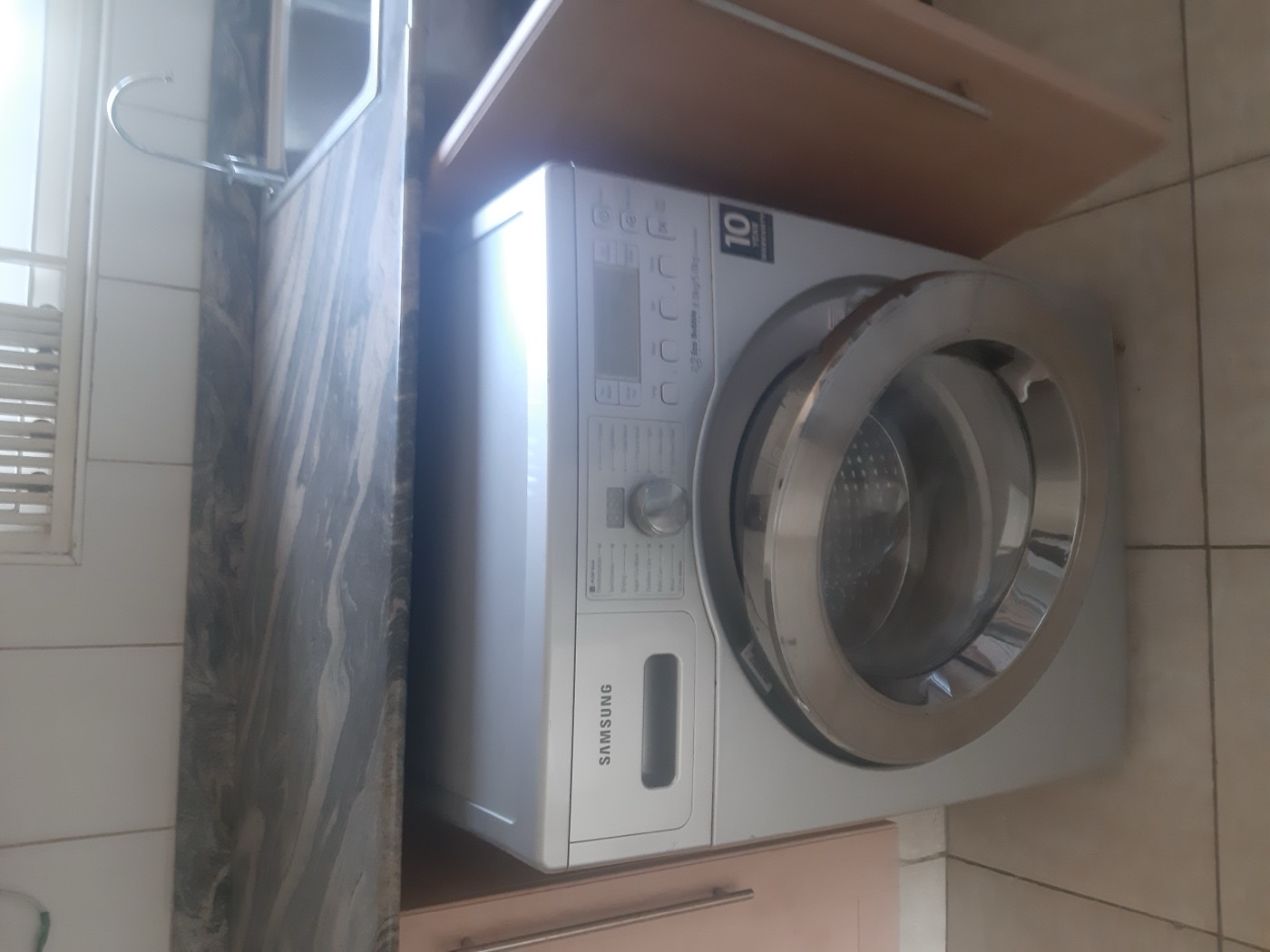
A second, distinct pillar of the EU’s repair agenda reaches households on 31 July 2026. From that date, Member States must apply the Directive on repair of goods (Directive (EU) 2024/1799), which forces manufacturers of many everyday appliances to repair them within a reasonable time and for a reasonable price, even after the legal guarantee has run out. The Directive was adopted on 13 June 2024 and entered into force on 30 July 2024, giving national governments two years to write it into their own law.
Where the ecodesign spare-parts rules we covered separately tell manufacturers how a product must be built, this one gives the buyer a direct right to demand a repair. The two work together, and both land squarely on the appliances people keep longest.
What does the repair obligation require?
For goods that already carry reparability requirements under EU law, the maker must repair them on request, cannot use contract clauses, hardware or software to block a repair, and must supply spare parts at a reasonable price. Manufacturers also have to publish repair-service information and indicative repair prices on a freely accessible website, so a household can weigh the cost before committing.
Two further consumer protections sit alongside that duty:
| Measure | What it means for a buyer |
|---|---|
| Repair obligation | The maker must repair covered goods at a reasonable price, even after the guarantee ends |
| Guarantee extension | Choosing repair under the legal guarantee adds 12 more months of cover |
| European Repair Information Form | A standardised quote whose conditions stay valid for 30 days, so offers can be compared |
| Spare parts and access | Parts at a reasonable price, with no artificial barriers to independent repair |
The European Repair Information Form is voluntary for a repairer to offer, but once given, the price and conditions it states must hold for 30 days. That turns a repair quote into something a shopper can actually compare, rather than a moving target.
Which appliances are covered?
The obligation applies to the goods in the Directive’s Annex II, which points to product groups that already have EU reparability requirements. For a home shopper the relevant ones are household washing machines and washer-dryers (Regulation (EU) 2019/2023), household dishwashers (Regulation (EU) 2019/2022), refrigerating appliances (Regulation (EU) 2019/2019), vacuum cleaners (Regulation (EU) No 666/2013) and electronic displays such as televisions (Regulation (EU) 2019/2021). The wider list also reaches welding equipment, servers and mobile phones or tablets.
That scope covers most of the big-ticket categories where a mid-life fault forces the classic repair-or-replace decision, from a washing machine pump to a dishwasher control board or a fridge compressor.
Why it matters for buyers
For years the honest advice on a five- or six-year-old appliance was often to replace it, because a repair could be slow, expensive or quietly discouraged. The Directive attacks each of those frictions: a reachable repair price, a 30-day valid quote, spare parts without artificial barriers, and a guarantee that grows when you fix rather than bin. A European Online Platform for repair, hosted through the Your Europe portal, is foreseen to become operational in 2027 to help owners find repairers.
None of this makes an appliance last forever, and a repair can still lose to a new machine on running costs. When you compare models on our category pages, read the maker’s voluntary warranty and repair pricing next to the regulated minimum, and check the EU energy label so a cheaper repair is not undone by a thirstier old machine. The practical shift is simple: from 31 July 2026, keeping a fixable appliance running is meant to be a real, priced option rather than a hassle you give up on.
Related categories
Frequently asked questions
When do the new EU repair rules take effect? +
The Directive on repair of goods (Directive (EU) 2024/1799) was adopted on 13 June 2024 and entered into force on 30 July 2024. Member States must have transposed it into national law and started applying it from 31 July 2026 at the latest.
Which appliances does the repair obligation cover? +
Annex II lists goods that already carry EU reparability requirements. For home shoppers that includes household washing machines and washer-dryers, household dishwashers, refrigerating appliances, vacuum cleaners and electronic displays such as TVs. The list also covers welding equipment, servers and mobile phones or tablets.
Do I get anything extra if I choose repair over replacement? +
Yes. The Directive amends the Sale of Goods rules so that, when a faulty product is repaired under the legal guarantee, the guarantee is extended by an additional 12 months, encouraging repair rather than replacement.
Sources
More news