EU Rules Guarantee 10 Years of Washing-Machine Spare Parts
Under EU ecodesign law, makers of washing machines and dishwashers must keep spare parts available for up to 10 years and ship them within 15 working days. Here's what that means when you buy.
By CHA News Desk · Updated 19 July 2026
Researched and drafted with AI language-model assistance from cited public sources, per our AI-content disclosure.
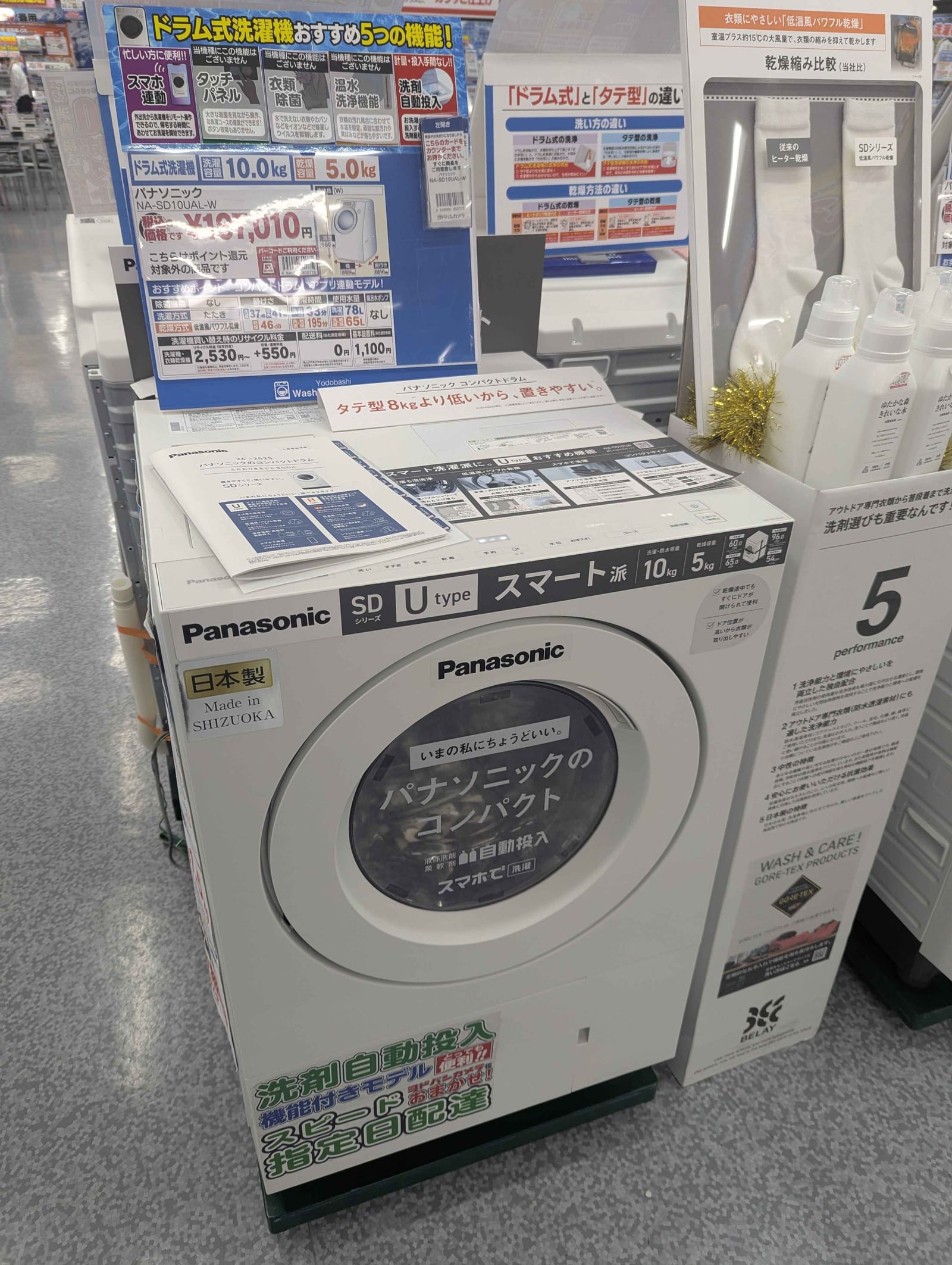
Anyone buying a washing machine or dishwasher in the EU is already covered by one of the strongest repairability guarantees in consumer appliances, and most shoppers never hear about it. Under Regulation (EU) 2019/2023, manufacturers must keep a defined list of spare parts available for up to 10 years after a model leaves production, and deliver them within 15 working days of an order. The parallel rule for dishwashers, Regulation (EU) 2019/2022, does the same. Both have been in force since 1 March 2021.
The point of the rules is blunt: an appliance should be repairable rather than binned the moment a pump or a door seal fails. That directly changes the maths on whether a mid-life fault is worth fixing.
What the rules actually require
The ecodesign regulations attach repairability obligations to the same law that sets energy-efficiency minimums. For washing machines and washer-dryers, the core duties are:
| Requirement | What the law says |
|---|---|
| Spare-part availability | Key parts available for up to 10 years after the last unit is sold |
| Delivery time | Parts shipped within 15 working days of order |
| Access to parts | A defined list available to professional repairers; a subset to any user |
| Repair information | Technical repair and maintenance information provided to registered repairers |
| Disassembly | Parts replaceable with commonly available tools, without damaging the appliance |
The list distinguishing which parts go to professional repairers versus any owner matters in practice: door seals, hinges and other lower-risk components are meant to be broadly obtainable, while parts whose incorrect fitting could be unsafe are routed through qualified repairers.
Why it changes the buying decision
A repair guarantee of this length reframes the classic “repair or replace” question. If a motor or control board fails in year six, the part is, by law, meant to still exist and to arrive inside three weeks. That makes a repair a realistic option well beyond the point where many households would previously have replaced the whole machine.
It also rewards brands that already build for long service life. When you compare two machines on our washing machines pages, the manufacturer’s own spare-part and warranty commitments sit alongside the regulated minimum, and a longer voluntary warranty is a signal worth weighing next to the headline price.
How to check a model before you buy
Every washing machine and dishwasher sold in the EU must be registered in the public EPREL database, which holds the model’s energy label and product information. It is the authoritative place to confirm a specific model’s registered details rather than relying on a retailer listing. For the energy side of that same label, our energy label explainer breaks down what each part of it means.
The repairability rules do not make every appliance immortal. But they do mean that, for two of the most repair-prone categories in the home, walking away from a fixable machine is now a choice, not a necessity.
Related categories
Frequently asked questions
How long must washing-machine spare parts stay available in the EU? +
Under Regulation (EU) 2019/2023, manufacturers must make a defined list of spare parts available for at least 10 years after the last unit of a model is placed on the market. Some parts are guaranteed for 10 years to professional repairers and for 7 years for a wider set of parts, and they must be deliverable within 15 working days of an order.
Does this apply to dishwashers too? +
Yes. The parallel Regulation (EU) 2019/2022 sets equivalent spare-part availability and repairability requirements for household dishwashers. Both rules have applied across the EU since 1 March 2021.
How can I check a specific model's compliance before buying? +
Every model sold in the EU must be listed in the public EPREL database, which carries its energy label and product information. It is the official first stop for checking a model's registered details.
Sources
More news